
Legionella Testing
Professional legionella testing and risk assessments across the UK for commercial duty holders, care homes, schools and landlords.
30+ Years Experience
Certified Legionella Risk Assessors
HSE-Compliant Assessments & Monitoring
5-Star Reviews

UK's Trusted
Legionella Testing Company
For more than 30 years, Meyer Southern has supported clients across the UK with hazardous materials and water hygiene services. Legionella testing is a core part of that work, used by facilities managers, care home operators, landlords and commercial property managers to demonstrate compliance and protect the people inside their buildings.
Get in touch on 0239 307 2182, email admin@meyerenvironmental.co.uk, drop us a WhatsApp message or send through our enquiry form.
Don't Just Take Our Word For It
Posted on Google
 Paul Downie
Trustindex verifies that the original source of the review is Google.
Very professional and hardworking team. Removed my asbestos roof quickly and safely. I highly recommend.Posted on GoogleFay BartleyI am in the process of selling my flat, and one of the final requirements was an asbestos survey for the communal hallway. From start to finish, I was genuinely impressed by Kacey’s outstanding customer service who made arrangements for the asbestos survey to take place. She demonstrated real passion for her work and a clear commitment to delivering an exceptional customer experience. Kacey even went the extra mile to accommodate my urgent request, helping me avoid delays in the conveyancing process at a crucial stage. Due to the unavailability of their London based surveyor, the Director of the company personally carried out the survey—another sign of how Meyer Surveys Limited truly stands out when it comes to customer care. He upheld the same high standards, was extremely friendly and helpful, and took the time to walk me through the entire process. I can confidently say this company is the crème de la crème of their industry. I have no doubt that the same level of excellence runs through all the services they offer. Kudos to the entire Meyer Surveys Limited team, I will definitely be referring you.Posted on GoogleChristian CageFrom start to finish the team at Meyer were fantastic and assist every step of the way when completing an asbestos survey from me at a new property. The surveyor was personable, polite and professional, a really asset to any organisation. I would recommend Meyer to everyone who required there services.Posted on GoogleNick HouseVery good service, arrived exactly when they saidPosted on GoogleClaire KenyonMeyer Southern were fantastic. They got back to me really quickly with quotes and answered all the questions I had. They kept us informed every step of the way. The report for the asbestos survey was very detailed and the quote for removal was clear and fair.Posted on GoogleMatthew SimmondsAbsolutely great company to work with from start to finish: most competitive quote, communication was excellent (over both email and phone), turned up when they said the would, and most importantly did a really professional job of the asbestos removal. Can't recommend highly enough!Posted on GoogleSally HaresignGood company to works with very customer focussed and practical approachPosted on GoogleSarah LaneJust to say a massive thank you for all the work the colleagues at Meyer have undertaken for us over the years - you have all been very helpful, professional and put our minds at ease with how the removal team has disposed of the asbestos. We are so appreciative of how far you travelled (to north Wiltshire) in order to take the waste away and none of the various jobs you have done for us were too big or too small to carry out. Not once did I doubt how eminently capable Meyer were throughout the process and would highly recommend them to anyone who needs such hazardous waste removal services. Sarah and Neil, north WiltshirePosted on GoogleChristine EssexMeyer Southern were the most competitive in all quotes received to remove the asbestos roof from my garage. They turned up when they said they would and did the job specified on time. I would recommend Meyer Southern.Posted on GoogleJohn GroveThey did exactly what we asked for


Why Legionella Testing Matters In UK Buildings
Legionella bacteria multiply naturally in hot and cold water systems where conditions allow. Once present at dangerous levels, contaminated water droplets released into the air through showers, taps and cooling towers can be inhaled by anyone using the building. Regular testing is the only reliable way to monitor the risk of legionella before an outbreak.
The Health Risks of Legionella Exposure
Exposure to legionella bacteria can cause legionnaires disease, a severe form of pneumonia that is fatal in around 10% of cases. Older adults, smokers, heavy drinkers, those with weakened immune systems and people with chronic respiratory conditions face a higher risk of serious illness.
UK Legionella Regulations You Need to Know About
UK legionella control is governed by the Health and Safety at Work Act 1974, supported by the Approved Code of Practice L8 published by the Health and Safety Executive. Detailed technical guidance sits in HSG274 Parts 1-3, alongside the BS 8580-1:2019 standard for legionella risk assessment.
Who Has a Legal Responsibility for Legionella Control?
The responsible person under ACOP L8 includes employers, building owners, landlords with shared water systems, facilities managers, commercial property managers, care home operators and anyone managing premises with hot and cold water services where a potential risk of legionella exists.
Accreditations We Are Proud Of
Legionella Testing Services for Every Property Type
From multi-site commercial portfolios to single care homes and rental properties, Meyer Southern delivers legionella testing services tailored to the property and the level of risk involved. The standard of sampling, analysis and reporting stays consistent across every job, whether you need a one-off test or a scheduled monitoring programme.
Legionella Testing for Commercial Property Managers
Legionella testing for offices, retail, hotels, leisure venues and industrial sites. We help facilities managers meet ACOP L8 obligations across complex water systems and maintain a defensible compliance record across multi-site portfolios.
Legionella Testing for Care Homes, Schools and Healthcare Facilities
Legionella testing for environments where occupants face a higher risk of serious illness. We work with care homes, schools, nurseries and healthcare providers to protect vulnerable users and meet enhanced compliance expectations.
Legionella Testing for Landlords and Managing Agents
Legionella testing and risk assessment for residential landlords and managing agents responsible for shared water systems. We document compliance, identify potential risks and support landlords in meeting their HSE duty of care.
Our Legionella Testing and Water Hygiene Services
Meyer Southern delivers four core lead testing services, each designed for a different exposure pathway. Every test is supported by laboratory analysis, with samples handled by a UKAS accredited laboratory. You receive a detailed report covering results, regulatory context and clear recommendations on next steps, whatever the type of test you book.
Legionella Risk Assessment
The foundation of any legionella control programme. Our risk assessment identifies hazards in hot and cold water systems, reviews existing control measures and recommends sampling locations. It also documents the responsible person and forms the basis for ongoing compliance.
Water Sampling and Analysis
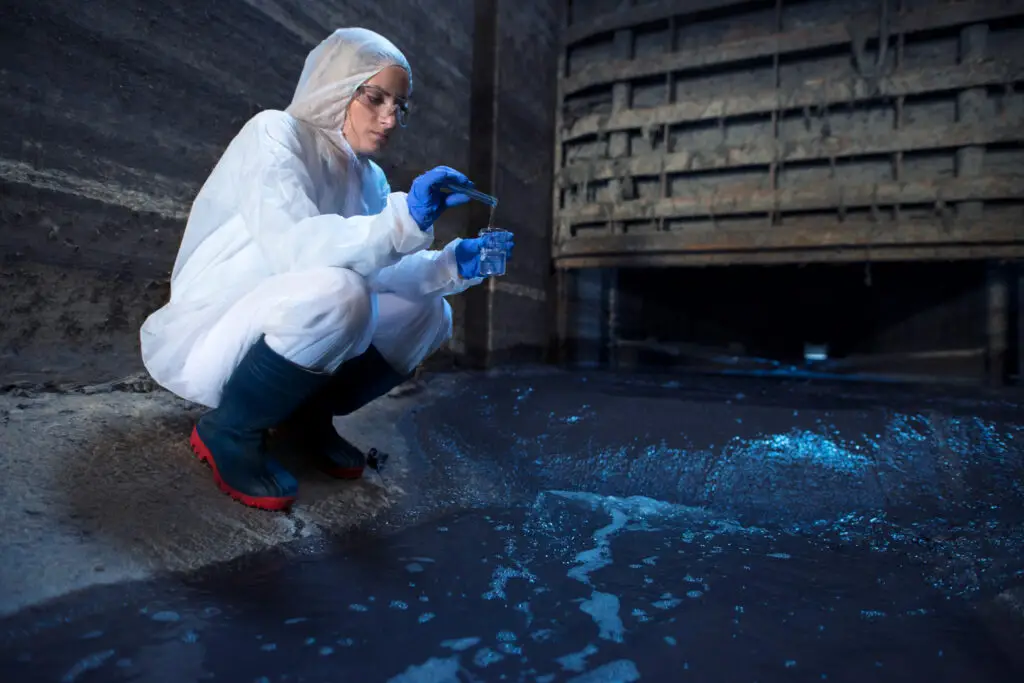
We collect water samples from cold water storage tanks, hot water calorifiers, sentinel outlets, showers, spa pools and infrequently used taps where stagnant water can form. Samples are sent to a UKAS approved laboratory using ISO 11731 culture methods for accurate legionella detection.
Temperature Monitoring and System Inspection
We monitor and record water temperatures across hot and cold water services to confirm that control measures are consistently achieved. Cold systems should remain below 20°C and hot water above 50°C at the outlet to keep legionella growth under control.
Post-Disinfection and Compliance Verification
After cleaning, disinfection or system changes, periodic sampling verifies that control has been restored. Microbiological monitoring confirms the response was effective and that water quality meets safe limits before the system returns to normal use.
Why Property Managers Across the UK Trust Meyer Southern for Legionella Testing
Choosing the right legionella testing services affects your compliance record, your legal position and the safety of everyone using the building. For over 30 years, facilities managers and duty holders across the UK have trusted Meyer Southern for cost effective testing, clear reporting and ongoing compliance support.
- 30+ Years of Industry Experience
- Specialists in Hazardous Materials and Water Hygiene Testing
- UKAS Accredited Laboratory Analysis
- ISO 11731 Culture Methods Used by Our Lab
- Risk Assessments Aligned to ACOP L8, HSG274 and BS 8580-1:2019
- Clear, Actionable Reports With Recommendations
- Ongoing Compliance Support Available
- Coverage Across the UK
Our Legionella Testing Process
Initial Brief and Site Survey
Every project starts with a conversation about the property, the water systems on site, usage patterns and any recent maintenance. We carry out a visual site survey to understand the layout before designing the risk assessment and sampling plan.
Legionella Risk Assessment
Our technician completes a detailed legionella risk assessment aligned to ACOP L8, HSG274 and BS 8580-1:2019. The assessment identifies hazards, reviews existing control measures and recommends sampling locations across hot and cold water systems and any cooling towers or evaporative cooling systems.
Water Sampling
We collect water samples from sentinel outlets, calorifiers, cold water storage tanks, showers and infrequently used taps using the appropriate sampling method. Strict chain of custody procedures protect sample integrity from collection through to the laboratory.
UKAS Accredited Laboratory Analysis and Report
Samples are sent to a UKAS accredited laboratory using ISO 11731 culture methods, with results returned within 10 to 14 working days. You receive a clear report covering legionella test results, risk levels, and practical recommendations for any control measures needed next.
What Happens After Your Legionella Test
Legionella testing ends in one of three outcomes. Where no legionella is detected at action levels, your report supports your compliance file, audits and stakeholder reporting. Where acceptable levels are detected, current control measures continue with periodic sampling on a defined schedule. Where the action threshold is exceeded, we provide immediate recommendations including system cleaning, disinfection, temperature corrections or pipework changes.
Meyer Southern can support the remediation process and arrange follow-up sampling to verify the response, giving you a single point of contact for legionella control from initial assessment through to verified compliance.
Book Your Legionella Test Today
Looking to book legionella testing for your property? Get in touch with our team for a no-obligation quote tailored to your water systems and compliance needs.
Contact Information
UK Head Office:
Meyer Southern/Surveys Ltd.
Langstone Gate,
Solent Road,
Havant,
PO9 1TR
Request a Legionella Testing Quote
Ready to book?
Fill in the form below with a few details and we’ll be back to you within 24 hours.
Recent Projects From Properties Like Yours.
Every project here started with someone unsure what they were dealing with. These are the sites we surveyed, tested, cleared and signed off. See more of our recent projects across the UK in the full portfolio.
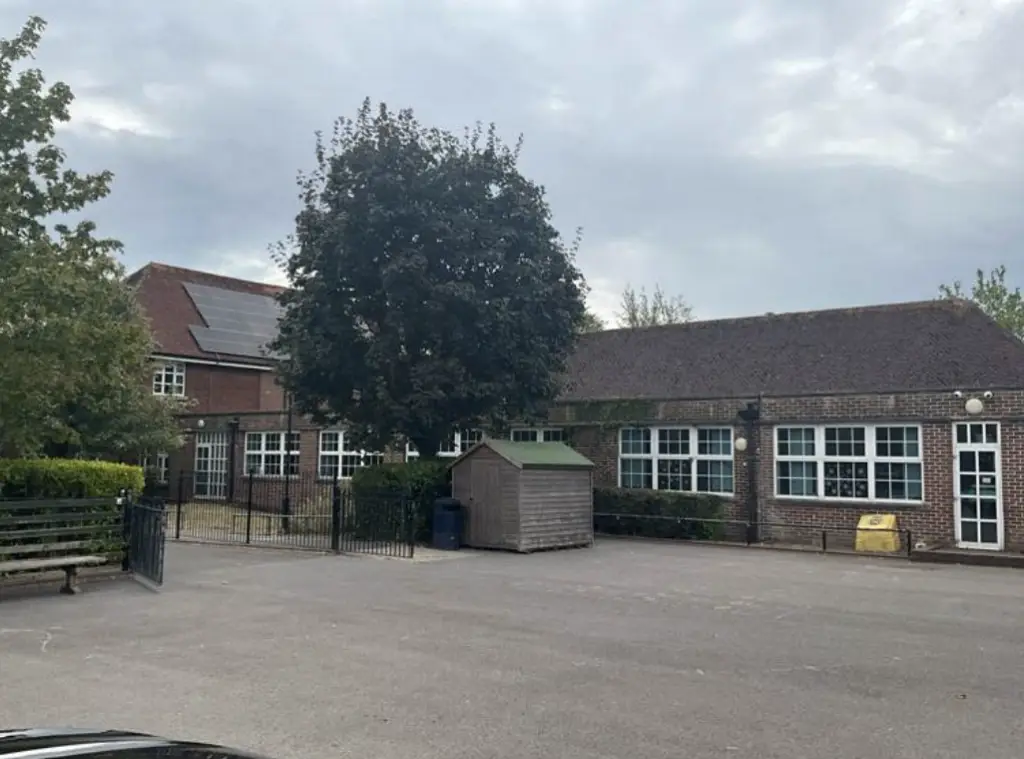
Refurbishment Asbestos Survey at Dorchester Middle School, Dorset
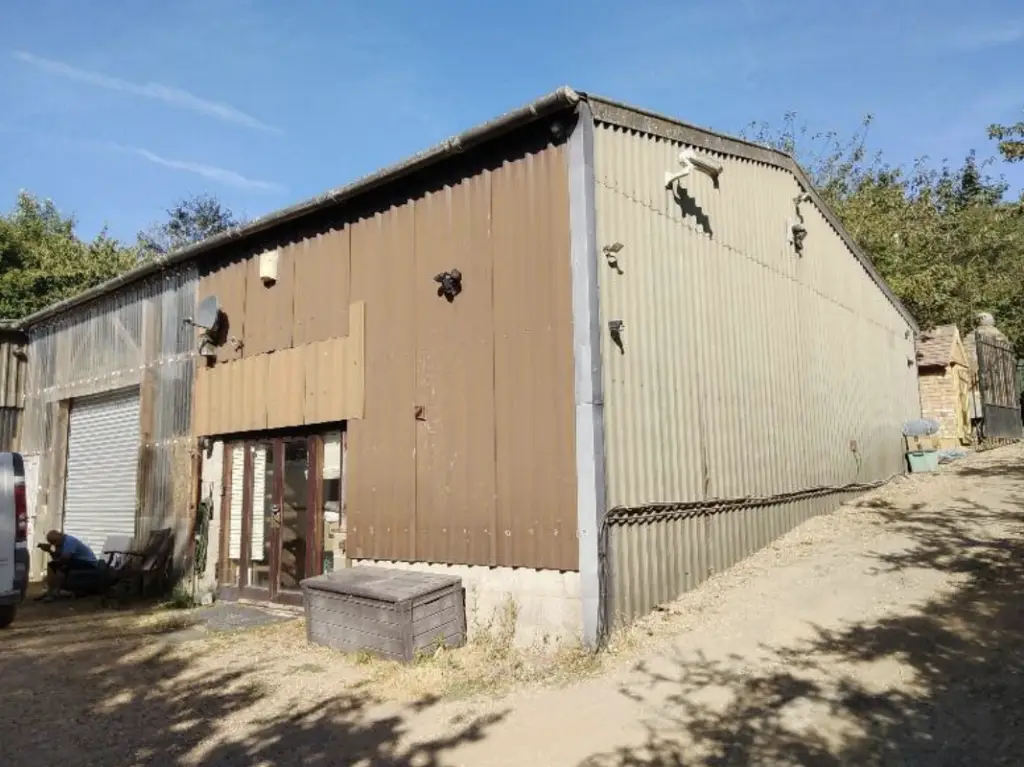
Refurbishment Asbestos Survey at Barn House, East Sussex
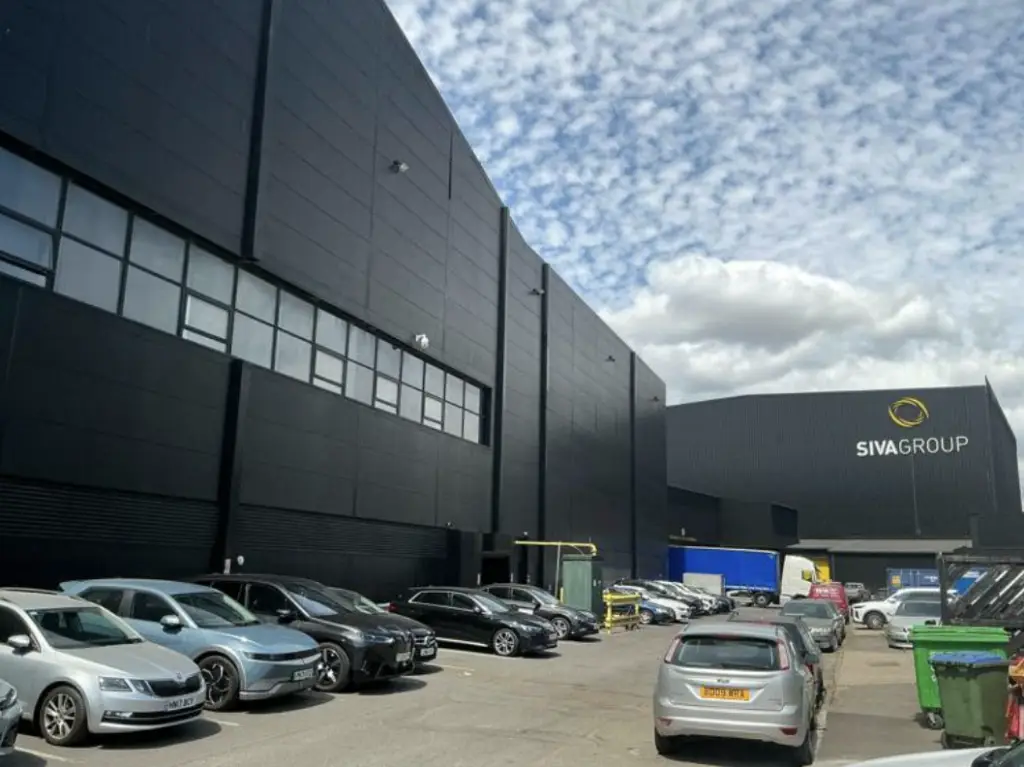
Targeted Refurbishment Asbestos Survey at Spitfire House, Southampton
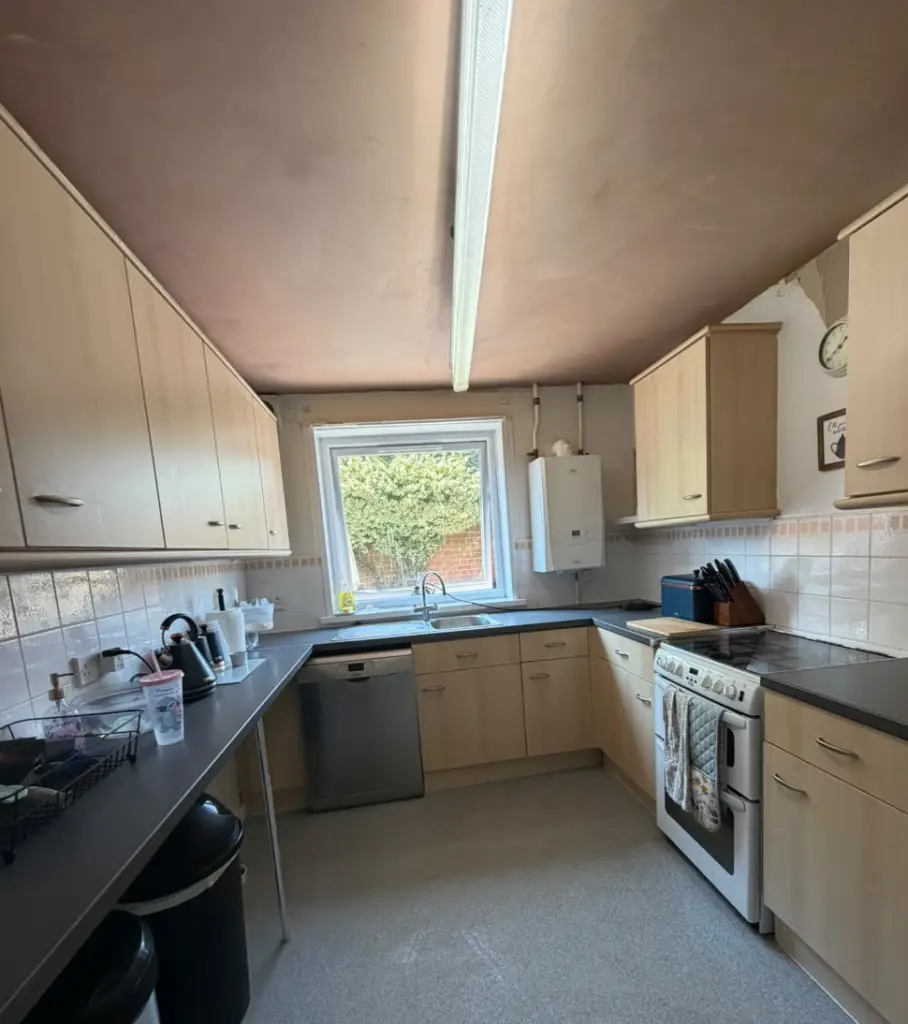
Asbestos Ceiling Removal and Reinstatement – Portsmouth
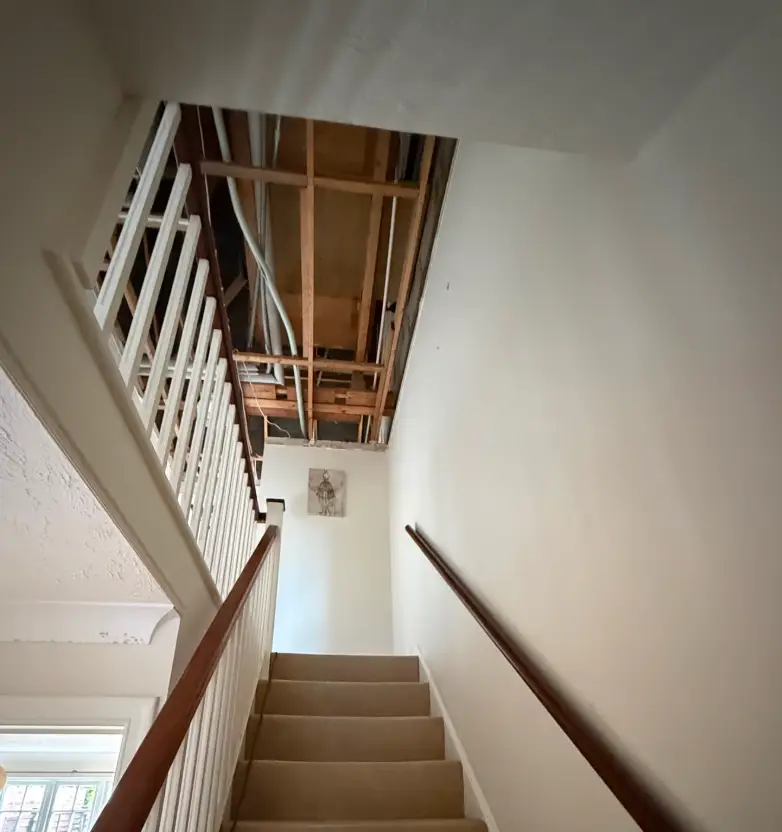
Asbestos Removal Project – Hamble-le-Rice, Southampton
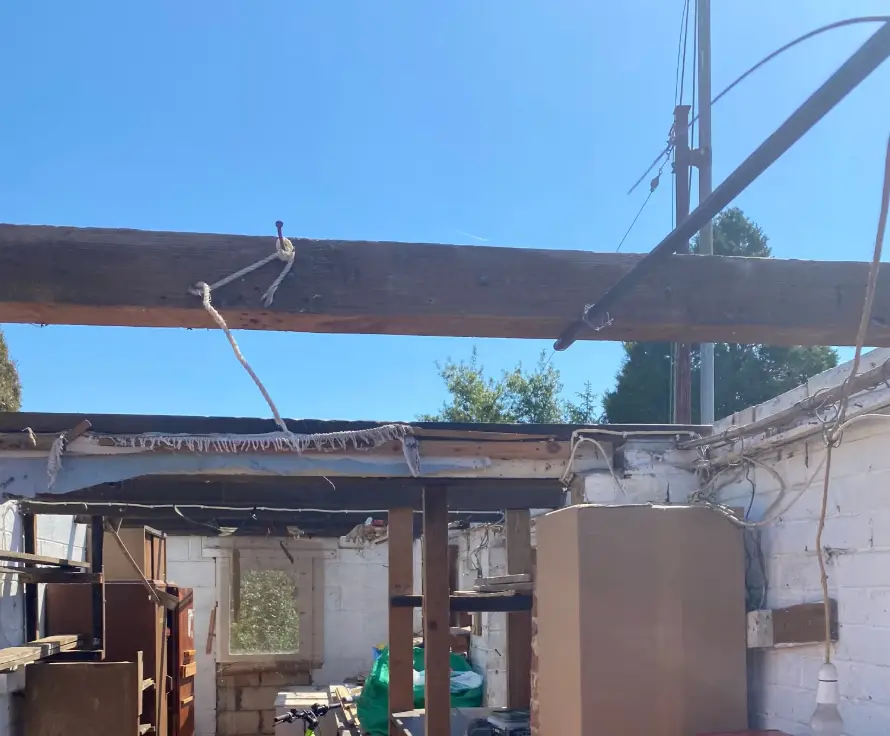
Asbestos Removal Project – Dore Avenue, Portchester
Areas We Cover For Legionella Testing
Based in Hampshire and covering counties across southern England and Greater London, our team delivers legionella testing nationwide. Click your county below for local service details.
FAQs About Legionella Testing
How often should legionella testing be carried out?
Testing frequency depends on the system type, the level of risk identified in your assessment, and the reliability of existing control measures. For most commercial properties, water samples should be taken at least every six months on hot and cold water systems, with cooling towers tested monthly. Higher risk systems, such as those serving care homes or healthcare facilities, often require more frequent monitoring. Your legionella risk assessment will define the right schedule based on the layout of your building, your control measures and the audience using the water.
Is legionella testing legally required for my property?
The Approved Code of Practice L8 places a legal duty on the responsible person to identify and control the risk of legionella in their water systems. While a legionella risk assessment is legally required for most non-domestic premises, water testing itself is required where the risk assessment identifies a potential risk, where control measures cannot be consistently achieved, or where complex water systems make monitoring alone insufficient. The safest position is to assume testing is needed and confirm against your risk assessment.
What is the difference between a legionella risk assessment and legionella testing?
A legionella risk assessment is a documented review of the entire water system, identifying hazards, evaluating control measures and recommending actions. Legionella testing involves taking water samples from outlets, calorifiers, tanks and other locations, then sending them to a laboratory to test water for the presence of legionella bacteria. Risk assessment is the foundation that determines whether testing is needed, while testing provides the evidence of whether the control programme is actually working in practice.
How long does a legionella test take to complete?
Site visits are typically short. For a standard commercial property, collecting water samples and recording temperatures can be completed in one to two hours. Larger sites with multiple buildings, complex water systems or cooling towers may take longer. The risk assessment itself can take half a day to a full day depending on the size of the property and the number of outlets that need to be reviewed. We agree timings with you in advance so the site team can plan accordingly.
How long does it take to receive my legionella testing report?
Standard turnaround on legionella test results from a UKAS accredited laboratory is 10 to 14 working days, because legionella detection uses culture methods that require time for bacteria to grow on the test medium. Rapid testing methods are available where time is critical, with results in 24 to 48 hours, though these are typically used for screening rather than full compliance reporting. Your full report, including risk levels and recommendations, follows shortly after the lab results come back.
What happens if my legionella sample results exceed the action threshold?
If results exceed safe limits, immediate action is required to bring the system back under control. This typically includes system cleaning, chemical or thermal disinfection, temperature corrections, removal of stagnant water deadlegs, or in some cases pipework changes. We provide clear recommendations in your report and can support the response, with follow-up water sampling once the disinfection is complete to verify that control has been restored. Acting quickly protects building users and demonstrates due diligence to regulators.
Do landlords need to carry out legionella testing in rental properties?
Landlords are legally required to assess and control the risk of legionella in their rental properties, even single-occupancy domestic water systems. For most standard rental properties, a simple risk assessment is enough and testing is rarely needed because the system is in regular use. Testing becomes more relevant for landlords managing HMOs, blocks of flats with communal water systems, or properties left empty for extended periods where stagnant water and the risk of legionella contamination increase.
Which water systems are most at risk of legionella contamination?
The highest risk systems are those that produce aerosols, store water at temperatures between 20°C and 45°C, or contain stagnant water. This includes cooling towers, evaporative cooling systems, spa pools, showers, hot water calorifiers, cold water storage tanks and domestic hot water systems serving multiple outlets. Infrequently used taps, deadlegs and oversized storage tanks also pose a higher risk. Natural water sources rarely cause infection because legionella needs a man-made system to multiply to dangerous levels.
What factors affect the cost of legionella testing in the UK?
Legionella testing costs depend on several variables and are always quoted on a per-job basis. The main factors are the size and complexity of the water system, the number of sampling points required, whether a risk assessment is included or already in place, the type of property (commercial, residential, healthcare or industrial) and how quickly you need the legionella test results turned around. Combined services across risk assessment, sampling and ongoing monitoring are often more cost effective than booking each separately.
What are the symptoms of lead poisoning and when should I be concerned?
Legionella pneumophila is the species of bacteria responsible for the majority of legionnaires disease cases in the UK. It lives naturally in lakes, rivers and other water sources, but rarely causes problems there. The illness usually starts when the bacteria enters man-made water systems, multiplies in warm conditions, and is then released into the air as fine droplets through showers, taps, cooling towers or spa pools. People nearby inhale the droplets and the bacteria reach the lungs. The Legionella Control Association sets industry standards for the companies that test, monitor and manage water systems to prevent this happening.
