
Asbestos Contaminated Soil Removal
Licensed asbestos contaminated soil removal across the UK for developers, contractors and landowners, with full WM3 compliance and validation reporting.
30+ Years Experience
Qualified Contaminated Land Specialists
Safe & Compliant Soil Management
5-Star Reviews

UK's Trusted Asbestos Contaminated Soil Removal Specialists
For more than 30 years, Meyer Southern has supported developers, contractors and landowners across the UK with asbestos and ground remediation. Our team handles every stage of asbestos contaminated soil removal, from initial site assessment through to licensed disposal and validation testing.
Get in touch on 0239 307 2182, email admin@meyerenvironmental.co.uk, drop us a WhatsApp message or send through our enquiry form.
Don't Just Take Our Word For It
Posted on Google
 Paul Downie
Trustindex verifies that the original source of the review is Google.
Very professional and hardworking team. Removed my asbestos roof quickly and safely. I highly recommend.Posted on GoogleFay BartleyI am in the process of selling my flat, and one of the final requirements was an asbestos survey for the communal hallway. From start to finish, I was genuinely impressed by Kacey’s outstanding customer service who made arrangements for the asbestos survey to take place. She demonstrated real passion for her work and a clear commitment to delivering an exceptional customer experience. Kacey even went the extra mile to accommodate my urgent request, helping me avoid delays in the conveyancing process at a crucial stage. Due to the unavailability of their London based surveyor, the Director of the company personally carried out the survey—another sign of how Meyer Surveys Limited truly stands out when it comes to customer care. He upheld the same high standards, was extremely friendly and helpful, and took the time to walk me through the entire process. I can confidently say this company is the crème de la crème of their industry. I have no doubt that the same level of excellence runs through all the services they offer. Kudos to the entire Meyer Surveys Limited team, I will definitely be referring you.Posted on GoogleChristian CageFrom start to finish the team at Meyer were fantastic and assist every step of the way when completing an asbestos survey from me at a new property. The surveyor was personable, polite and professional, a really asset to any organisation. I would recommend Meyer to everyone who required there services.Posted on GoogleNick HouseVery good service, arrived exactly when they saidPosted on GoogleClaire KenyonMeyer Southern were fantastic. They got back to me really quickly with quotes and answered all the questions I had. They kept us informed every step of the way. The report for the asbestos survey was very detailed and the quote for removal was clear and fair.Posted on GoogleMatthew SimmondsAbsolutely great company to work with from start to finish: most competitive quote, communication was excellent (over both email and phone), turned up when they said the would, and most importantly did a really professional job of the asbestos removal. Can't recommend highly enough!Posted on GoogleSally HaresignGood company to works with very customer focussed and practical approachPosted on GoogleSarah LaneJust to say a massive thank you for all the work the colleagues at Meyer have undertaken for us over the years - you have all been very helpful, professional and put our minds at ease with how the removal team has disposed of the asbestos. We are so appreciative of how far you travelled (to north Wiltshire) in order to take the waste away and none of the various jobs you have done for us were too big or too small to carry out. Not once did I doubt how eminently capable Meyer were throughout the process and would highly recommend them to anyone who needs such hazardous waste removal services. Sarah and Neil, north WiltshirePosted on GoogleChristine EssexMeyer Southern were the most competitive in all quotes received to remove the asbestos roof from my garage. They turned up when they said they would and did the job specified on time. I would recommend Meyer Southern.Posted on GoogleJohn GroveThey did exactly what we asked for


Why Asbestos in Soil Is a Serious Risk to Your Project
Discovering asbestos in soil during groundworks or site investigation creates immediate pressure on a project. Health risks, legal obligations under UK asbestos regulations and the commercial cost of delay all hit at once. Planning conditions, enforcement action and contractor exposure to free fibres can all stop construction works without warning if asbestos contaminated soil is not handled correctly.
The Health Risks of Asbestos in Soil
Disturbed soil can release asbestos fibres into the air, where workers, the public and nearby buildings are exposed. Inhalation of asbestos fibres causes mesothelioma, lung cancer and asbestosis. There is no safe exposure level, which is why strict control measures apply to any site with asbestos present.
The Legal and Commercial Risks to Your Project
Under WM3 industry guidance, soil with asbestos content above defined thresholds is classified as hazardous waste. Incorrect handling exposes contractors and landowners to enforcement action, fines and project shutdowns, while the original polluter principle can extend liability long after construction works finish.
Where Asbestos in Soil Is Commonly Found
Asbestos contamination commonly appears on brownfield sites, former industrial sites, made ground and historic landfill. Demolition waste, fly-tipping and pre-2000 building debris are typical sources. Trial pits during site investigation often reveal asbestos materials buried for decades.
Accreditations We Are Proud Of

Asbestos Contaminated Soil Removal for Every Property Type
From small residential plots to large infrastructure schemes, our team scales the soil removal process to suit the site, the contamination level and the project timeline. Every job is delivered by licensed contractors and supported by full documentation, so developers, contractors and landowners stay compliant from first site visit through to final validation.
Asbestos Soil Removal for Property Developers and Housebuilders
We support property developers and housebuilders working on brownfield sites and pre-developed plots where asbestos contaminated soil is identified. Our service helps you meet planning conditions, manage risks and keep construction works on programme.
Asbestos Soil Removal for Contractors and Civil Engineering Firms
Our team works alongside main contractors and civil engineering firms on groundworks, demolition and infrastructure projects. We deliver cost effective remediation that fits into your construction programme, with full documentation to protect your duty of care.
Asbestos Soil Removal for Landowners and Public Sector Bodies
We help landowners, councils, transport authorities and public sector bodies manage asbestos contaminated land safely. Our service supports site sales, regeneration schemes and proposed land use changes with clear remediation strategies and validation evidence.
Our Asbestos Contaminated Soil Removal Services
Meyer Southern delivers a complete service across every stage of soil remediation, from initial sampling through to licensed disposal and post-works validation. Each component is led by experienced operatives, supported by UKAS accredited laboratory analysis and aligned to current UK asbestos regulations and WM3 industry guidance.
Site Assessment and Soil Sampling
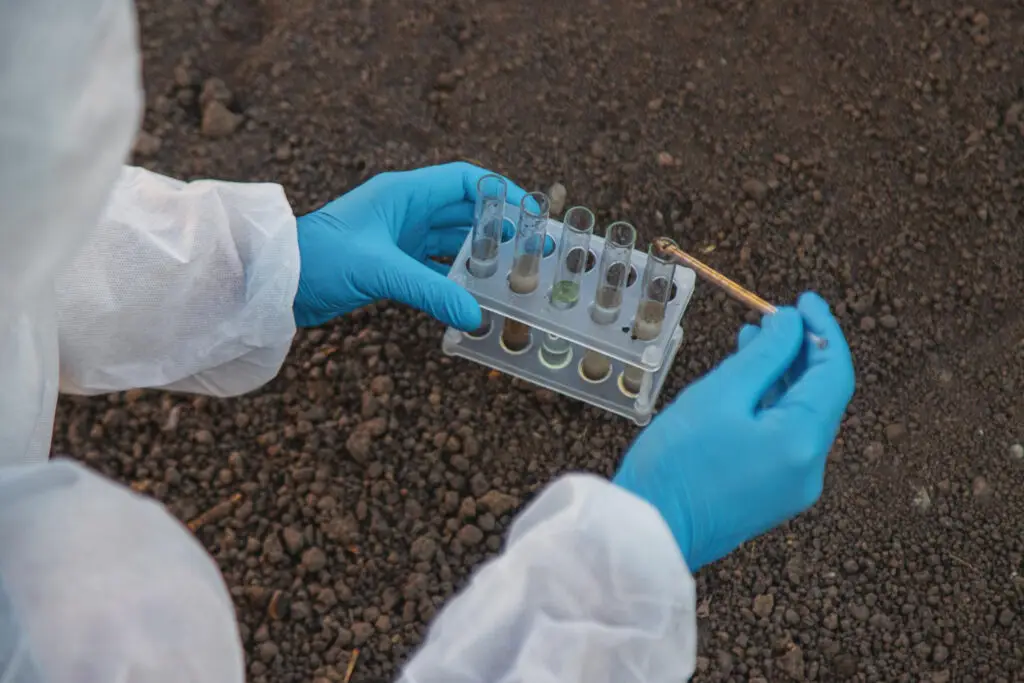
We start with a review of site history, walkover survey and targeted soil testing. Samples are collected from trial pits and submitted to a UKAS accredited laboratory to confirm asbestos content, fibre type and concentration before any removal process is designed.
WM3 Waste Classification
Once laboratory results return, we classify soil against WM3 thresholds to determine whether the material is hazardous or non hazardous. Accurate waste classification protects your project from misclassified disposal costs and confirms whether soil is considered hazardous under UK regulations.
Controlled Excavation and Soil Removal
Trained operatives carry out controlled excavation using strict control measures including exclusion zones, dust suppression and personal protective equipment. We segregate contaminated and clean soils on site to reduce disposal volume, lower overall project cost and prevent fibre release during the works.
Licensed Disposal and Validation Testing
All asbestos waste is transported off site in ADR-compliant vehicles to licensed hazardous waste facilities. Post-works validation testing confirms remediation meets regulatory and planning standards, with consignment notes and disposal certificates issued to support your project records.
Why Developers and Contractors Across the UK Choose Meyer Southern
Choosing the right specialist for asbestos contaminated soil removal affects your project timeline, your compliance position and your bottom line. For over 30 years, developers, contractors and public sector bodies across the UK have trusted Meyer Southern to deliver fully compliant remediation with clear documentation at every stage.
- 30+ Years of Industry Experience
- Specialists in Asbestos and Ground Remediation
- WM3 Compliant Waste Classification
- UKAS Accredited Laboratory Analysis
- Licensed Hazardous Waste Carriers (Licence CBDU538609)
- ADR-Compliant Transport
- Planning Condition Discharge Support
- Full Documentation From Assessment to Validation
Our Asbestos Contaminated Soil Removal Process
Site Assessment and Soil Sampling
Every project starts with a review of site history and current conditions, followed by a walkover survey and targeted soil sampling. Samples from trial pits go to a UKAS accredited laboratory to determine asbestos type, concentration and friability. This shapes the safest, most cost effective remediation strategy for your site.
WM3 Classification and Method Statements
Once laboratory results return, we classify the waste against WM3 thresholds and prepare detailed risk assessments and method statements. These documents define exclusion zones, control measures, segregation strategy and disposal routes, giving you a clear, auditable plan before any excavation begins on site.
Controlled Excavation and Segregation
Trained operatives carry out controlled excavation under strict control measures including dust suppression, personal protective equipment and continuous monitoring. Contaminated and clean soils are segregated on site to reduce disposal volume and overall project cost, while preventing free fibres from being released into the surrounding environment.
Licensed Disposal and Validation Testing
All asbestos waste is double-contained, manifested and transported off site in ADR-compliant vehicles to licensed hazardous waste facilities. Post-works validation testing confirms the site meets regulatory and planning standards. Full documentation, including consignment notes and disposal certificates, is issued on completion.
What Happens After Your Soil Has Been Removed
Asbestos contaminated soil removal typically ends in one of three outcomes. Where validation testing confirms the site is clean, your report supports planning condition discharge, future site sale and continued development. Where contamination is more extensive, remediation may continue in phases with ongoing validation between stages to keep the project moving.
Where soil contamination is linked to demolished structures or surviving buildings still containing asbestos materials, our licensed asbestos removal team can handle the structural work as part of the same project, giving you a single point of contact across the entire site.
Book Your Asbestos Soil Removal Assessment Today
Need asbestos contaminated soil removed from your site? Get in touch with our team for a no-obligation quote tailored to your project and timeline.
Contact Information
UK Head Office:
Meyer Southern/Surveys Ltd.
Langstone Gate,
Solent Road,
Havant,
PO9 1TR
Request a Soil Removal Quote
Ready to book?
Fill in the form below with a few details and we’ll be back to you within 24 hours.
Recent Projects From Properties Like Yours.
Every project here started with someone unsure what they were dealing with. These are the sites we surveyed, tested, cleared and signed off. See more of our recent projects across the UK in the full portfolio.
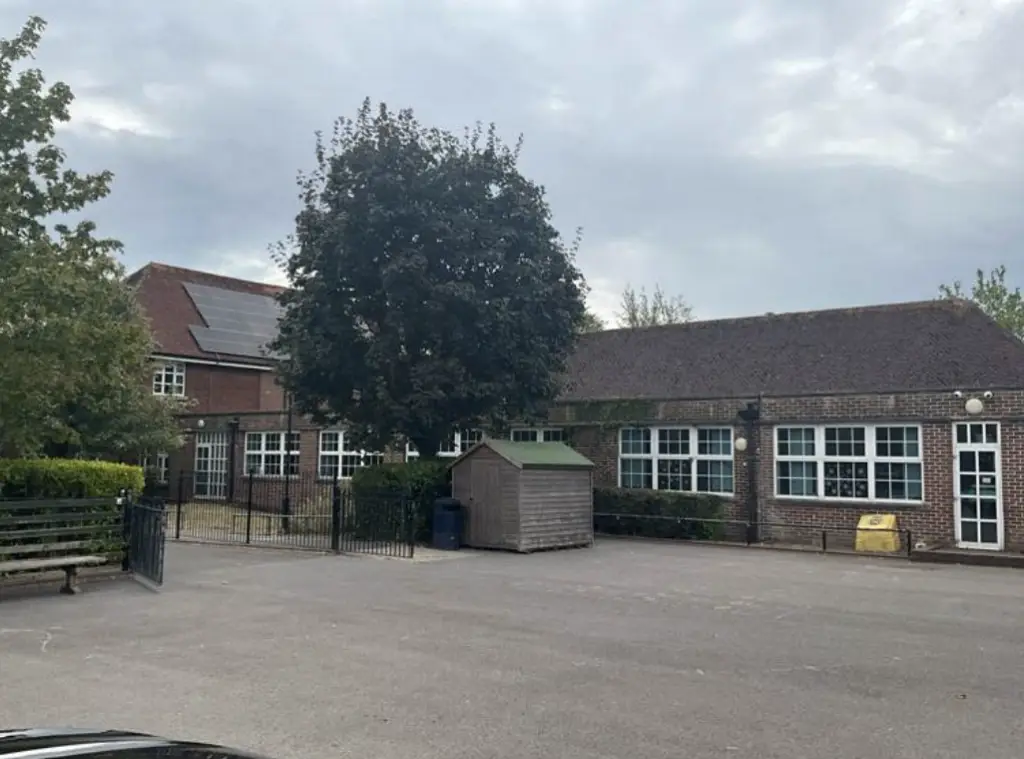
Refurbishment Asbestos Survey at Dorchester Middle School, Dorset
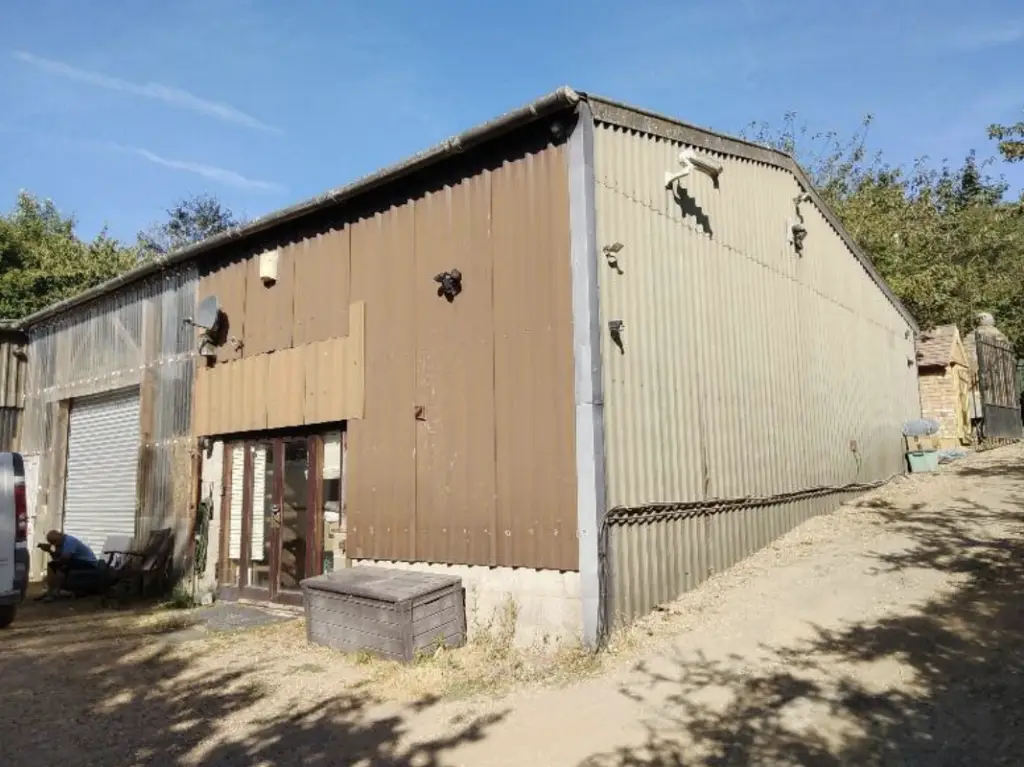
Refurbishment Asbestos Survey at Barn House, East Sussex
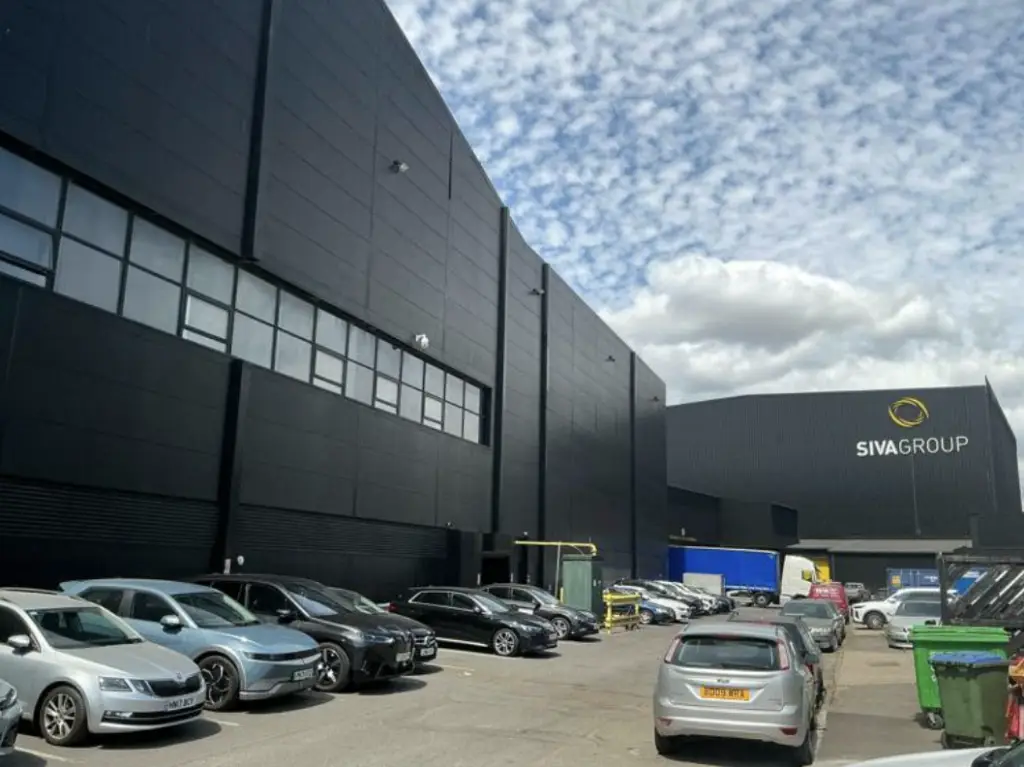
Targeted Refurbishment Asbestos Survey at Spitfire House, Southampton
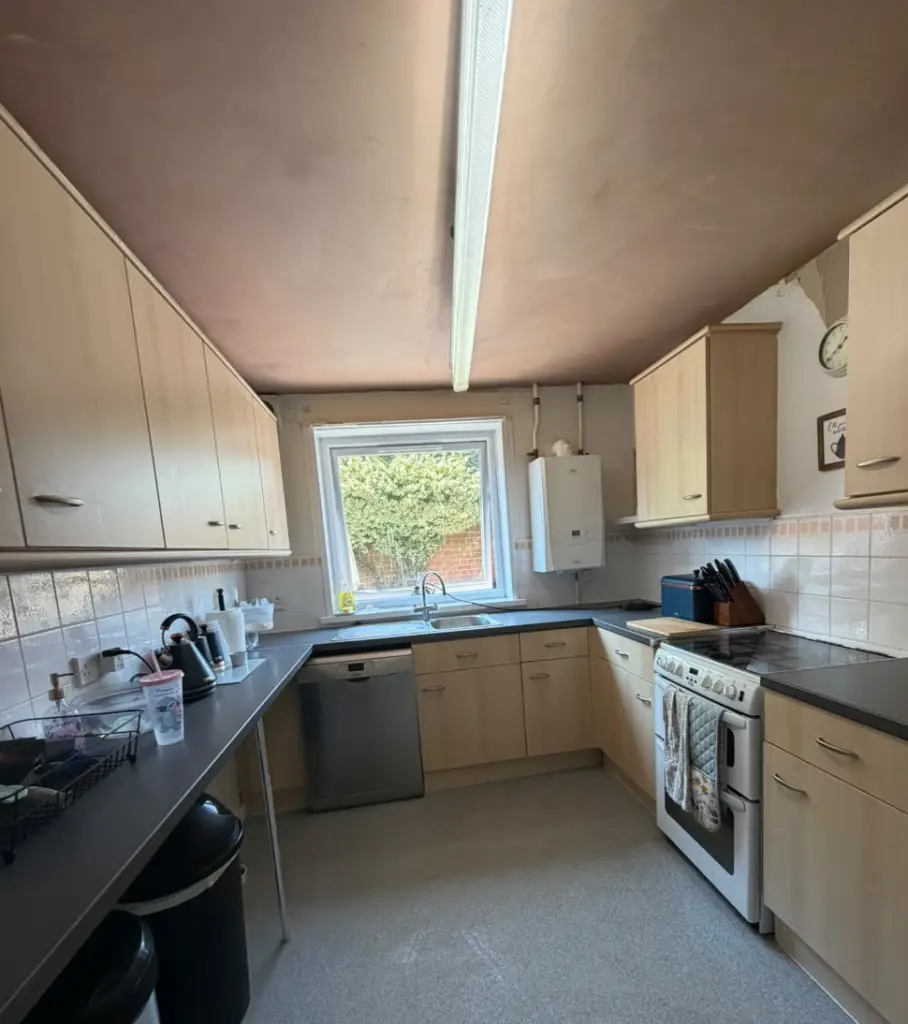
Asbestos Ceiling Removal and Reinstatement – Portsmouth
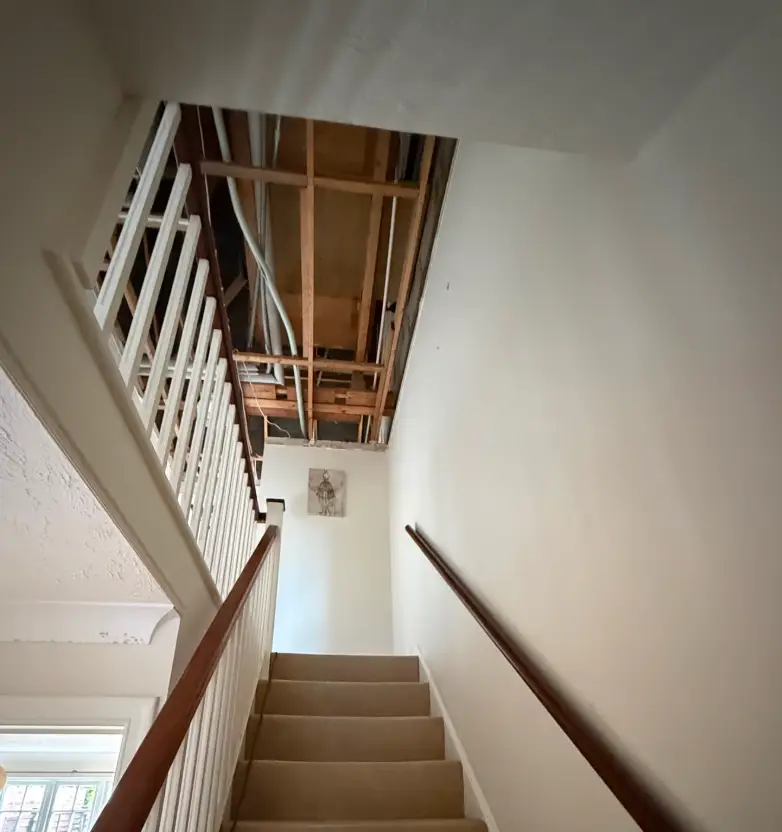
Asbestos Removal Project – Hamble-le-Rice, Southampton
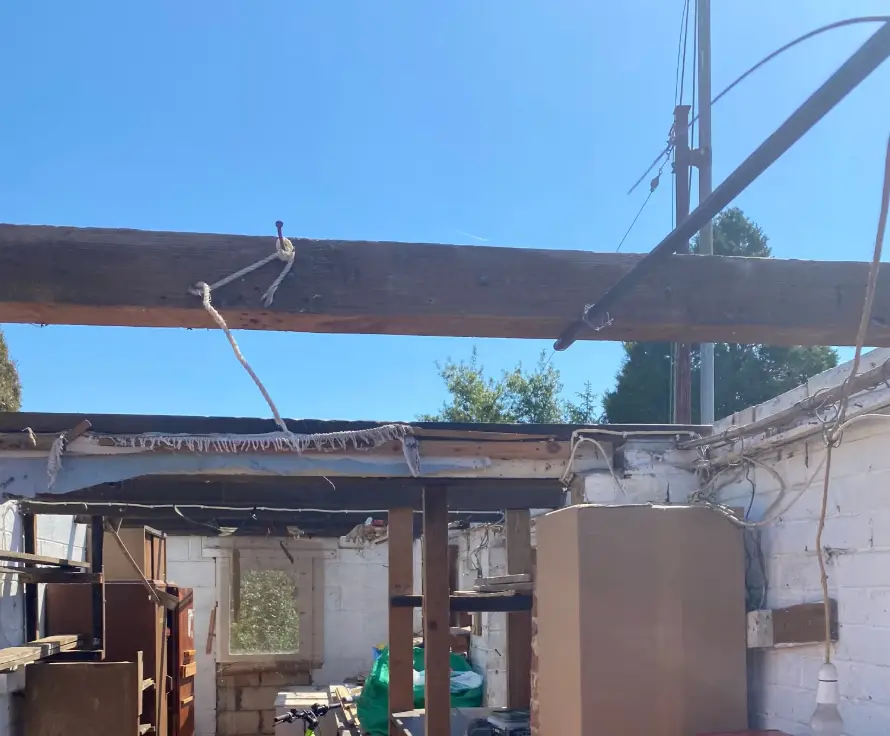
Asbestos Removal Project – Dore Avenue, Portchester
FAQs About Asbestos Contaminated Soil Removal
How do I know if my site has asbestos contaminated soil?
Asbestos contamination is most often identified during site investigation, when trial pits and soil testing pick up fragments of asbestos cement, insulation board or other asbestos containing materials buried in the ground. Visible signs include fragments of broken cement sheets, fibrous debris in made ground, or known historic use of the site for industrial activity, demolition or landfill. If your site sits on a brownfield plot or has a history of pre-2000 buildings, professional sampling is the only reliable way to confirm whether asbestos is present in the soil.
What classifies soil as asbestos contaminated under UK regulations?
Soil is classified as asbestos contaminated when laboratory analysis confirms the presence of asbestos fibres or fragments of asbestos materials in the sample. Under WM3 industry guidance, soil is considered hazardous when free fibres or loose asbestos exceed 0.1% by weight, which is the threshold for hazardous waste classification. Bonded asbestos in the form of broken cement or insulation board can also trigger hazardous classification depending on condition and quantity. Accurate sampling and laboratory analysis is essential to determine the correct classification before any removal process begins.
Can I still develop a site with asbestos contaminated soil?
Yes. Most sites with asbestos contaminated soil remain viable for development, provided the right remediation strategy is in place. Depending on the level of contamination, the proposed land use and the planning conditions attached to your site, soil can be excavated and removed off site, treated on site, or managed in place with capping and ongoing controls. Meyer Southern provides the assessment, removal and validation evidence required to support planning condition discharge, so your project can move forward without uncertainty.
What is WM3 classification and why does it matter for my project?
WM3 is the UK technical guidance used to classify whether waste is hazardous or non hazardous. For soil, WM3 determines whether your contaminated material must be disposed of at a licensed hazardous waste facility (typically more expensive) or can be sent to a non hazardous landfill. Incorrect waste classification creates real commercial and legal risk: misclassified disposal can lead to enforcement action, additional disposal charges and project delay. Accurate WM3 classification from the outset protects your duty of care and keeps disposal costs predictable.
How long does asbestos contaminated soil removal take?
Timescales depend on the size of the site, the volume of contaminated soil, the depth of contamination and the access available for excavation plant. A small residential plot might be cleared in a few days, while large infrastructure or brownfield projects can take several weeks with phased removal and validation between stages. We give you a clear programme at quote stage based on site conditions and your construction timeline.
Will asbestos in soil cause planning condition issues?
Asbestos in soil is one of the most common triggers for planning conditions on brownfield sites. Local authorities routinely attach contamination-related conditions requiring assessment, remediation and validation evidence before development can proceed. Failure to discharge these conditions can stall a project for months. Meyer Southern provides the assessment, remediation and post-works validation reporting required to satisfy planning conditions, working with your consultants and the local authority to keep the discharge process moving.
What happens if asbestos is discovered during construction work?
Stop work immediately in the affected area and isolate the zone to prevent further disturbance. Any asbestos fibre release during construction works puts operatives and the public at significant risk. Contact a licensed specialist like Meyer Southern as soon as possible. We will attend site, take samples, classify the material and develop a removal plan that allows construction to resume safely. Acting quickly protects workers, limits exposure and prevents enforcement action from the HSE or local authority.
Can asbestos contaminated soil be treated on site or does it have to be removed?
It depends on the type, quantity and condition of the asbestos, as well as the proposed land use. Some sites with low-level bonded asbestos can be managed through hand-picking, screening or capping, allowing the soil to remain on site under controlled conditions. Other sites with high concentrations of free fibres or large volumes of contaminated waste require full excavation and off-site disposal. Our team assesses each site individually and recommends the most cost effective and compliant approach.
What factors affect the cost of asbestos contaminated soil removal?
Project costs depend on several variables and are quoted on a site-by-site basis. The main factors include the volume of contaminated soil, the WM3 classification (hazardous vs non hazardous), site access, the depth and spread of contamination, the disposal facility used and the level of validation testing required by your planners. Effective on-site segregation between contaminated and clean materials often reduces disposal costs significantly. We assess every site individually so the price you receive is accurate and transparent.
How is asbestos contaminated soil disposed of safely after it leaves my site?
Once soil has been excavated, the waste is transported off site in ADR-compliant vehicles to a licensed hazardous waste landfill or treatment facility authorised to receive asbestos contaminated material. Each load is tracked using consignment notes, with the contaminant declared at point of dispatch and confirmed on arrival at the disposal facility. This duty of care chain is a legal requirement under UK asbestos regulations and protects both human health and the surrounding environment from secondary risks. For larger projects, ongoing asbestos management may include phased waste removal and additional soil testing on contaminated ground to confirm the site is safe before being signed off.
