
Spray Foam Insulation Removal
Professional spray foam insulation removal across the UK to restore lender confidence, unlock your mortgage and protect your property value.
30+ Years Experience
Fully Qualified Foam Removal Team
Safe & Compliant Removal
5-Star Reviews
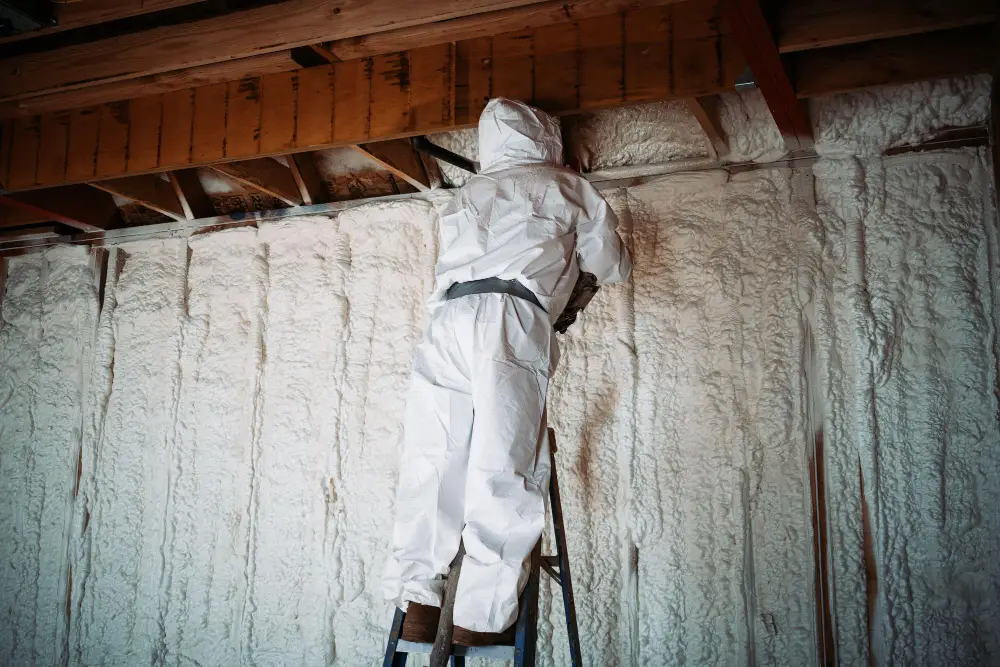
UK's Trusted Spray Foam
Insulation Removal Company
Meyer Southern has spent more than three decades helping UK homeowners resolve issues caused by hazardous and problematic building materials. Spray foam insulation removal is one of the most requested services we offer, used by homeowners, landlords and estate agents to restore property value and unlock stalled mortgage applications.
Get in touch on 0239 307 2182, email admin@meyerenvironmental.co.uk, drop us a WhatsApp message or send through our enquiry form.
Don't Just Take Our Word For It
Posted on Google
 Paul Downie
Trustindex verifies that the original source of the review is Google.
Very professional and hardworking team. Removed my asbestos roof quickly and safely. I highly recommend.Posted on GoogleFay BartleyI am in the process of selling my flat, and one of the final requirements was an asbestos survey for the communal hallway. From start to finish, I was genuinely impressed by Kacey’s outstanding customer service who made arrangements for the asbestos survey to take place. She demonstrated real passion for her work and a clear commitment to delivering an exceptional customer experience. Kacey even went the extra mile to accommodate my urgent request, helping me avoid delays in the conveyancing process at a crucial stage. Due to the unavailability of their London based surveyor, the Director of the company personally carried out the survey—another sign of how Meyer Surveys Limited truly stands out when it comes to customer care. He upheld the same high standards, was extremely friendly and helpful, and took the time to walk me through the entire process. I can confidently say this company is the crème de la crème of their industry. I have no doubt that the same level of excellence runs through all the services they offer. Kudos to the entire Meyer Surveys Limited team, I will definitely be referring you.Posted on GoogleChristian CageFrom start to finish the team at Meyer were fantastic and assist every step of the way when completing an asbestos survey from me at a new property. The surveyor was personable, polite and professional, a really asset to any organisation. I would recommend Meyer to everyone who required there services.Posted on GoogleNick HouseVery good service, arrived exactly when they saidPosted on GoogleClaire KenyonMeyer Southern were fantastic. They got back to me really quickly with quotes and answered all the questions I had. They kept us informed every step of the way. The report for the asbestos survey was very detailed and the quote for removal was clear and fair.Posted on GoogleMatthew SimmondsAbsolutely great company to work with from start to finish: most competitive quote, communication was excellent (over both email and phone), turned up when they said the would, and most importantly did a really professional job of the asbestos removal. Can't recommend highly enough!Posted on GoogleSally HaresignGood company to works with very customer focussed and practical approachPosted on GoogleSarah LaneJust to say a massive thank you for all the work the colleagues at Meyer have undertaken for us over the years - you have all been very helpful, professional and put our minds at ease with how the removal team has disposed of the asbestos. We are so appreciative of how far you travelled (to north Wiltshire) in order to take the waste away and none of the various jobs you have done for us were too big or too small to carry out. Not once did I doubt how eminently capable Meyer were throughout the process and would highly recommend them to anyone who needs such hazardous waste removal services. Sarah and Neil, north WiltshirePosted on GoogleChristine EssexMeyer Southern were the most competitive in all quotes received to remove the asbestos roof from my garage. They turned up when they said they would and did the job specified on time. I would recommend Meyer Southern.Posted on GoogleJohn GroveThey did exactly what we asked for


Why Spray Foam Insulation Has Become a Serious Problem for UK Homeowners
Spray foam insulation was once promoted as a modern energy efficiency upgrade for UK homes. Years later, the reality has caught up. Mortgage lenders, surveyors and insurers now treat spray foam as a high-risk material, leaving UK homeowners unable to sell, remortgage or get insurance cover. For many, professional removal is the only way forward.
Mortgage and Remortgage Refusal
Many lenders across the UK now refuse to lend on properties with spray foam insulation installed. This affects new mortgage applications, remortgages, equity release and buy-to-let lending. Professional removal often restores lender confidence and gets mortgage issues moving again.
Hidden Structural Damage to Roof Timbers
Spray foam traps moisture against the roof structure, where airflow is needed to keep timbers dry. Over time this leads to condensation, rot, mould and timber damage hidden under the foam. Surveys often flag this as a significant risk.
Stalled Property Sales and Insurance Issues
Sellers frequently see property sales collapse once surveyors or estate agents flag spray foam in the loft. Some insurers refuse cover or apply restrictions. Acting early gives homeowners control and prevents transactions from falling through at the last minute.
Accreditations We Are Proud Of

When You Should Removal Spray Foam Insulation
Spray foam removal becomes essential at specific moments in property ownership. Most homeowners discover the problem during a survey, a mortgage application or a property sale. The earlier you act, the more control you have over the outcome, the cost and the timeline for getting the work completed.
Before Selling Your Property
If you are preparing to sell your house, removing spray foam before instructing estate agents reduces survey objections, prevents buyer drop-off and protects the asking price. Many lenders will not approve buyers' mortgage applications until the foam is gone.
Before Remortgaging or Releasing Equity
If you are remortgaging or releasing equity, many lenders flag spray foam as a barrier to lending. Removing the foam and obtaining clear documentation supports your application and gives surveyors the access they need to value your property properly.
When Hidden Damage Is Suspected
If you notice damp smells, roof leaks or signs of timber rot, spray foam may be hiding further damage to the roof structure. Removal allows a full inspection and prevents the problem from getting worse.
Types of Spray Foam Insulation We Remove
Spray polyurethane foam was installed in UK lofts in two forms and across two main locations. We remove every type and every installation pattern, using the right method for each combination. Whatever was installed in your loft, our team can handle the safe removal and full clearance.
Open Cell Spray Foam Removal
Open cell spray foam is a softer, less dense, lighter form of liquid foam, typically sponge-like in texture. It is more flexible and easier to remove than closed cell foam, though it still requires careful handling to protect the roof structure and prevent fibre release.
Closed Cell Spray Foam Removal
Closed cell spray foam is a rigid, dense, hard foam that bonds tightly to roof timbers and is a better insulator than open cell. It is harder to remove and more often flagged by mortgage lenders. Removal requires specialist tools and skilled manual scraping.
Loft Floor Spray Foam Removal
Spray foam applied across the loft floor traps moisture, blocks ventilation and prevents access to electrics, water tanks and ceiling joists. We remove the foam carefully and restore the loft to a usable space ready for inspection or new insulation.
Roof Rafter Spray Foam Removal
Spray foam sprayed onto the underside of the roof, between or over the rafters, is the most common reason for mortgage refusal. Our team removes the foam from rafters without damaging the timbers, ready for a clean survey.
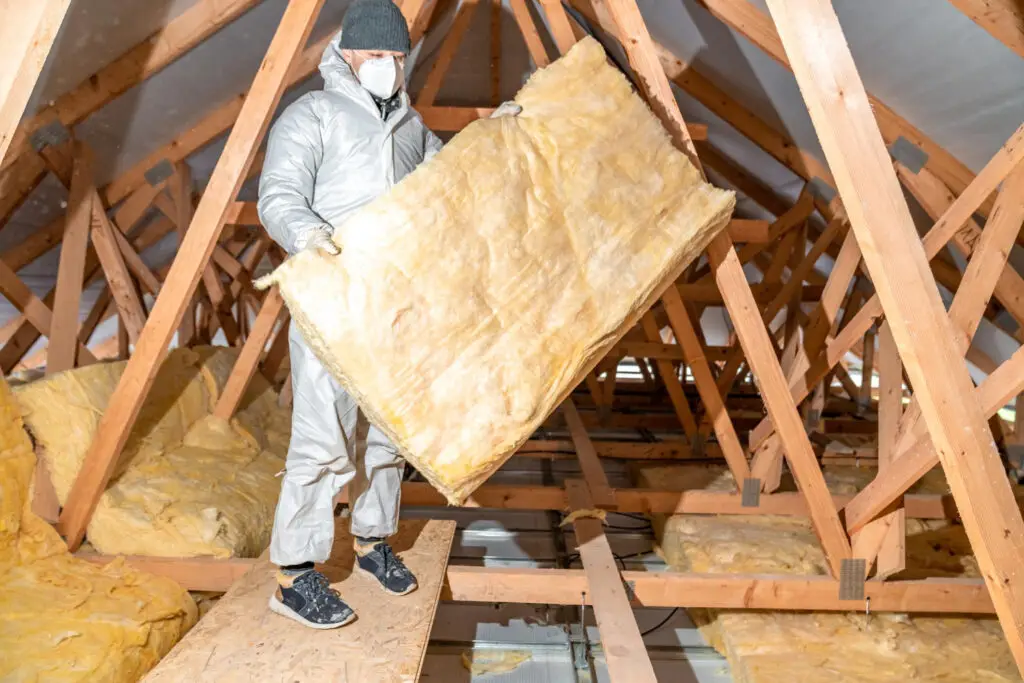
Why Property Owners Across the UK Choose Meyer Southern for Spray Foam Removal
Choosing the right specialists for spray foam removal affects how quickly you can sell, remortgage or move forward with your property. For over 30 years, UK homeowners have trusted Meyer Southern to deliver safe removal, clear documentation and a clean, tidy finish that protects both the roof structure and the property’s future value.
- 30+ Years of Industry Experience in Property Remediation
- HEPA-Filtered Vacuums and Air Filtration on Site
- Mortgage and Valuation Documentation Provided
- Photographic Evidence Throughout the Job
- Surveyor-Friendly Clearance Reports
- Clean, Tidy and Respectful On-Site Work
- Coverage Across the UK
- Free Initial Consultation
Our Spray Foam Insulation Removal Process
Site Inspection and Risk Assessment
Every job starts with a site inspection of your loft and roof space. We identify whether the foam is open cell or closed cell, assess the thickness, check the condition of roof timbers underneath and determine the safest method of removal. From there, we agree on the scope, timeline and price before any work begins.
Containment and Controlled Removal
Our team installs containment sheeting and dust suppression to protect the rest of the property. Removal combines manual scraping for closed cell foam and cutting tools where appropriate. We work carefully to protect roof timbers, membranes and surrounding materials from further damage during the removal process.
HEPA Filtration and Site Cleaning
Once the spray foam is removed, we use HEPA-filtered vacuums and air filtration units to clear residual particles and dust. The work area is fully cleaned, with all waste packed up and removed off site. You receive your loft back tidy, accessible and ready for full inspection by a surveyor.
Clearance Report and Mortgage Documentation
We finish the job with a clearance report and photographic evidence of the work carried out. This documentation is suitable for surveyors, valuers and mortgage lenders to support reassessment of the property, helping to resolve any mortgage issues caused by the original spray foam installation.
Restoring Your Property’s Mortgageability After Removal
Once spray foam insulation has been removed and the loft cleared, the path back to a normal mortgage application opens up. Many lenders will reconsider the property once they receive a clearance report and photographic evidence confirming professional removal.
A surveyor can now access the roof timbers properly, identify any timber damage hidden under the foam, and value the property accurately. Buyer-side mortgage applications move forward, remortgages can be completed, insurance becomes easier to secure and the property returns to its full market value. For homeowners who have been stuck for months, professional removal is often the single step that gets everything moving again.
Get Your Spray Foam Removal Quote Today
Spray foam insulation holding up your mortgage or sale? Get in touch with our team for a no-obligation quote tailored to your property and timeline.
Contact Information
UK Head Office:
Meyer Southern/Surveys Ltd.
Langstone Gate,
Solent Road,
Havant,
PO9 1TR
Request a Spray Foam Removal Quote
Ready to book?
Fill in the form below with a few details and we’ll be back to you within 24 hours.
FAQs About Spray Foam Insulation Removal
Why do mortgage lenders refuse to lend on properties with spray foam insulation?
Many lenders across the UK now treat spray foam insulation as a high-risk material. The concern is that closed cell foam in particular can trap moisture against roof timbers, lead to hidden rot, and prevent surveyors from carrying out a proper inspection of the roof structure. Because of these potential risks, lenders see affected properties as harder to value and harder to resell, which leads them to refuse mortgages, remortgages and equity release applications. Professional removal followed by clear documentation usually restores lender confidence and lets the application proceed.
How can I tell if my loft has open cell or closed cell spray foam?
Open cell foam is soft, spongy and flexible, with a lighter texture that you can press your hand into easily. Closed cell foam is rigid, hard and dense, with a smooth surface that does not give under pressure. Open cell foam is often a creamy white or yellow colour, while closed cell foam tends to be a denser yellow or beige. If you are not sure which type is in your loft, our team will confirm during the site inspection and recommend the right removal process for the foam installed.
How long does spray foam insulation removal take?
In most cases, loft removals are completed within one to three days. The exact timescale depends on the size of the loft, the thickness of the foam, whether it is open cell or closed cell, and how easy the access is. Closed cell foam takes longer to remove because of its density and the manual scraping required. Larger properties or installations with foam on both the loft floor and roof rafters can take longer. We confirm the timeline at quote stage so you know exactly what to expect before work begins.
Can I stay in my home during the removal?
Yes. In most cases, homeowners stay in the property while removal takes place. We use containment sheeting, dust suppression and HEPA-filtered vacuums to isolate the work area and keep the rest of the house clean. The loft is sealed off during active removal, and we manage waste responsibly throughout. Some homeowners prefer to be out of the property for the noisiest part of the job, but it is not essential. We discuss access and timing with you in advance.
Will removing the spray foam damage my roof timbers?
Removing spray foam properly does not damage healthy roof timbers. Our team uses manual scraping and specialist tools to lift the foam from the rafters without cutting into the wood underneath. However, if timber damage has already developed under the foam, removal will reveal it. This is often the first time homeowners see the rot, mould or condensation damage that has built up under the foam. We document everything and recommend whether further timber repairs are needed before insulation is replaced.
What documentation will I receive after removal to support my mortgage application?
You receive a full clearance report at the end of the job, with photographic evidence of the loft before, during and after removal. The report confirms that spray foam has been removed, the work area has been cleaned, and the roof structure is now accessible for inspection. This documentation is suitable for surveyors, mortgage lenders, valuers and estate agents to support reassessment of the property. Most homeowners use it as part of a fresh mortgage application or to reopen a stalled sale.
What happens if asbestos is found in my loft during spray foam removal?
Older UK lofts sometimes contain asbestos pipe lagging, asbestos insulation boards around water tanks, or textured coatings on ceiling joists. If we identify any suspect material during the spray foam removal process, we stop work in the affected area and recommend professional sampling before continuing. Our licensed asbestos removal team can handle any asbestos found on site as part of the same project, giving you a single point of contact for the full clearance of your loft.
Will I need to replace the insulation after the spray foam is removed?
Yes, in most cases. Once the spray foam is removed, your loft will be left without insulation, which affects energy bills and warmth. Most homeowners replace it with a safer, lender-friendly alternative such as mineral wool or other approved insulation materials. We can recommend the right replacement option based on your property and budget. Replacement is normally arranged as a separate job after the loft has been inspected by a surveyor and any timber damage has been addressed.
What factors affect the cost of spray foam insulation removal?
Spray foam removal costs depend on several variables and are always quoted on a per-job basis. The main factors include the size of the loft, the thickness of the foam, whether it is open cell or closed cell, the location of the installation (loft floor versus roof rafters), the condition of the timbers underneath, and the level of access into the loft. Closed cell foam is harder to remove and typically costs more than open cell foam. We assess every property individually so the price you receive is accurate and transparent.
Is spray foam insulation toxic and should I be worried about health risks while it's in my loft?
Spray foam insulation that has cured properly is not generally considered toxic to live with once installed, but there are situations where the risks are worth taking seriously. Off-gassing can occur if the foam was mixed incorrectly during installation, which can lead to lingering smells, eye irritation or breathing problems. Damaged or deteriorating foam can also shed particles into the air over time. If you have any concerns, our advice is to request a free site inspection so our specialists can decide whether removal is the right next step. Most cases are manageable, but every property should be assessed on its own merits.
